Bexley Font: A Practical Look at This Warm, Organic Typeface for Your Design Projects
When you are browsing typefaces for a new project, the range of options can feel overwhelming. Serif, sans-serif, script, display — each category brings its own set of expectations and limitations. Some fonts are precise and mechanical, perfect for body text but lacking personality. Others are so decorative they only work in very specific contexts. Bexley sits in an interesting middle ground: a comic-style display typeface that is playful without sacrificing readability, and warm without becoming cloying. Understanding how Bexley fits into your workflow means looking at what it actually offers, where it performs best, and when you might want to reach for something else.
What Makes Bexley Distinct From Other Display Fonts
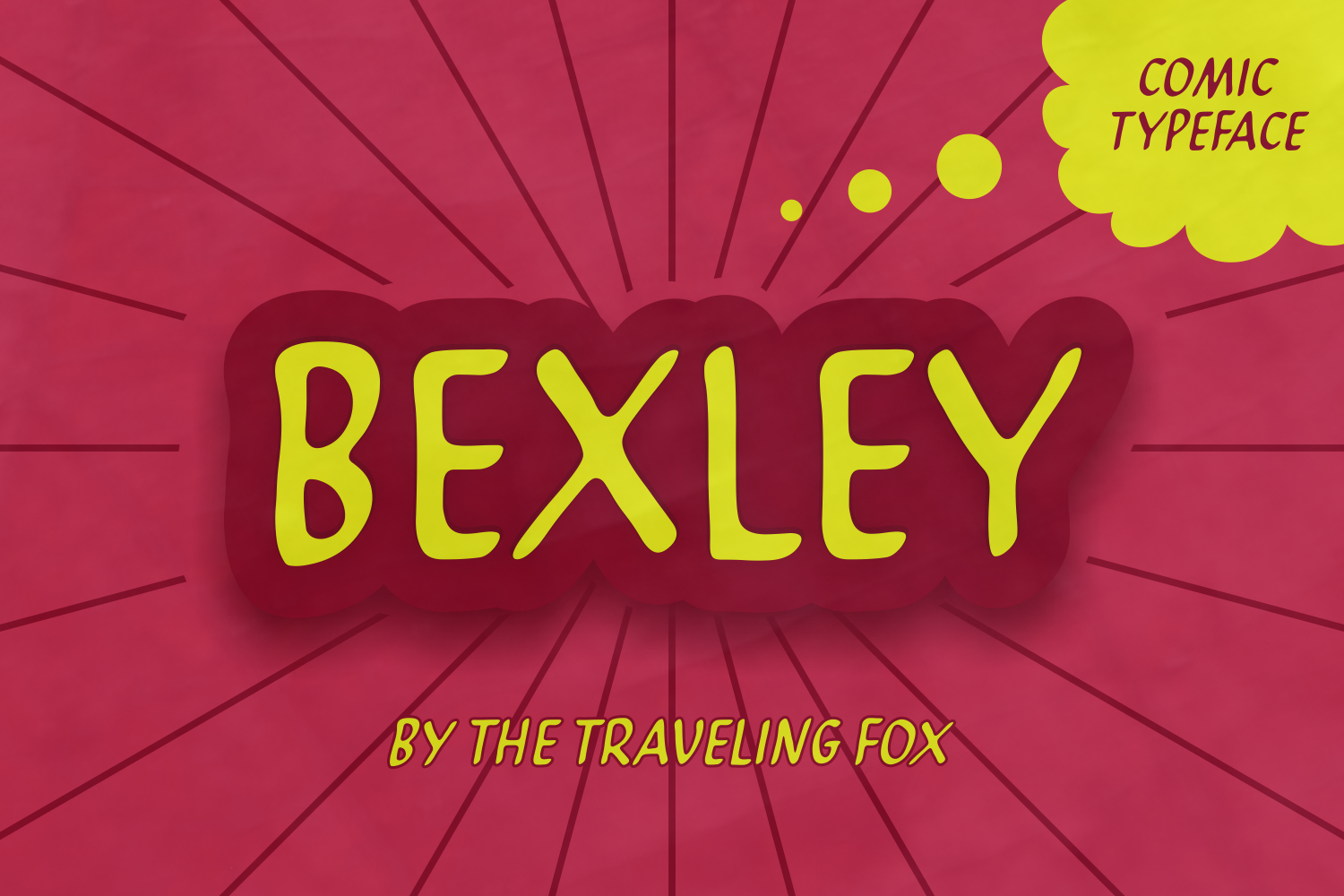
Bexley belongs to the comic typeface category, but it avoids many of the pitfalls that can make such fonts feel gimmicky. The most noticeable feature is its freeform weighting. Instead of uniform stroke thickness, Bexley varies the weight naturally across characters, which gives it an organic, hand-drawn quality. This is not a font that looks like it was generated by a machine following rigid geometric rules. It feels like someone sat down with a pen and carefully lettered each character, imperfections and all.
That organic quality makes Bexley feel earthy and casual. It is the kind of typeface that works well when you want to convey approachability, warmth, or a sense of handmade care. The letterforms are generally rounded and soft, which further reinforces the friendly impression. Yet because the design is still carefully structured, it remains legible even at smaller sizes — something that is not always true of display fonts that lean heavily into hand-drawn aesthetics.
Another distinguishing factor is the adaptability of Bexley across different design contexts. Many comic-style typefaces are narrowly suited to children's books or comic strips. Bexley, because of its restrained playfulness and clear letterforms, can stretch into product packaging, casual branding, invitations, social media graphics, and even some editorial applications where a more formal typeface would feel out of place.
Strengths of Bexley: Where It Shines
The primary strength of Bexley is the emotional tone it brings to a design. If you need a project to feel friendly, sincere, and low-pressure, Bexley does that work without you having to force it. The freeform weighting gives each word a tactile, almost physical presence. Readers often subconsciously register that a design using Bexley was made with intention and care, even if they cannot articulate why.
Readability is another notable strength. For a display font, Bexley is surprisingly easy to read in short to medium-length passages. The open counters and clear differentiation between similar characters (like b and d, or p and q) mean that readers are less likely to stumble. This makes it a practical choice for headlines, pull quotes, and short promotional copy where you want both personality and clarity.
Versatility across media is also worth highlighting. Bexley works well in print and digital environments. Its earthy feel suits natural or organic product branding, while its casual tone fits lifestyle blogs, event invitations, and small business identities. Because the font does not rely on extreme contrast or delicate details, it renders consistently across different screen resolutions and printing methods.
Tradeoffs and Limitations to Consider
No typeface is the right answer for every situation, and Bexley has clear tradeoffs. The most obvious is that it is a display font, not a text font. You would not use Bexley for long-form body copy in a book or a lengthy article. The freeform weighting and playful character shapes become fatiguing in large blocks of text, and the earthy informality that works so well in headlines starts to feel distracting when readers need to process paragraph after paragraph.
Another limitation is the target audience. Bexley's warm, casual tone appeals broadly, but it may not suit projects that require authority, sophistication, or austerity. If you are designing for a law firm, a financial institution, or a premium luxury brand, Bexley is probably the wrong choice. Readers may perceive it as too informal or even unserious for contexts where trust and gravitas are paramount.
There is also the question of cultural fit. What reads as warm and organic in one market may feel overly folksy or even childish in another. If your audience skews toward a more minimalist or modern aesthetic, Bexley's hand-drawn quality could clash with expectations. Understanding your audience's visual language is essential before committing to any typeface with as much personality as Bexley.
When Bexley Is the Right Choice
Bexley works best in projects where the goal is to connect with an audience on a human level. Small businesses, particularly those in the food, craft, wellness, or creative sectors, often benefit from its approachable tone. A bakery using Bexley on its packaging conveys warmth and homemade quality. A children's book cover gains immediate appeal. A wedding invitation set in Bexley feels personal and heartfelt rather than stiff and formal.
Short-form content is where Bexley really earns its place. Headlines, banners, logos, social media posts, and short promotional phrases all allow the typeface's personality to shine without overstaying its welcome. The readability at medium sizes means you can use it for subheadings and callouts as well, creating a cohesive visual hierarchy without needing to switch to a different font.
Digital projects also suit Bexley well, provided you keep the application focused. A lifestyle blogger's header, a YouTube channel logo, or an email newsletter title are all natural fits. The font's consistent rendering across devices means you do not have to worry about degradation on different screens or operating systems.
When You Might Need Another Option
If your project requires extended reading — anything beyond a few sentences of display text — you will need a companion typeface for body copy. Bexley should not carry the entire typographic load. Pair it with a clean, neutral sans-serif or a restrained serif that does not compete for attention. The contrast between Bexley's warmth and a more neutral body font often produces a balanced, professional result.
For projects targeting a strictly corporate or high-end audience, consider a more conventional display font or a refined serif. A tech startup aiming for a sleek, futuristic brand identity may find Bexley too nostalgic. A luxury real estate developer will likely need something that signals exclusivity and permanence rather than casual warmth. In those cases, Bexley is not a failure as a font — it is simply misaligned with the project's emotional requirements.
Similarly, if your design relies heavily on very small text, Bexley may not hold up well. While it is legible for a display font, it is not optimized for sizes below 12–14 points in print or the equivalent in digital. For footnotes, disclaimers, or secondary information, a dedicated text font is the better choice.
How Bexley Compares to Other Typeface Categories
When you place Bexley alongside other typeface categories, its positioning becomes clearer. Compared to standard serif and sans-serif fonts, Bexley trades uniformity for personality. It offers a specific emotional resonance that neutral fonts cannot match, but it demands more careful application. You cannot set Bexley and walk away; you need to think about context, scale, and companion fonts.
Compared to other display fonts, Bexley is relatively restrained. Many display typefaces are designed for maximum impact and come with strong stylistic flourishes that limit their utility. Bexley's freeform weighting is distinctive but not outrageous. This restraint gives it a longer useful life and broader application range than more extreme display fonts. A font with exaggerated swashes or heavy ornamentation might work for one specific project and then feel tired. Bexley, because it stays closer to readable letterforms, avoids that problem.
Compared to other comic-style fonts, Bexley stands out for its grounding in organic, earthy forms rather than cartoonish exaggeration. Some comic fonts lean heavily into bouncy baseline shifts, wildly varying x-heights, or exaggerated curves. Bexley is more subtle. It is recognizably comic and casual, but it does not force the point. This makes it a better fit for audiences who might be put off by overly whimsical typography.
Making an Informed Decision About Bexley
Choosing a typeface is never just about whether a font looks nice. It is about whether the font does the work you need it to do. Bexley does specific work very well: it communicates warmth, approachability, and thoughtful craftsmanship. If those qualities align with your project's goals, Bexley is worth serious consideration.
Start by testing Bexley in your actual design context. Set a headline, a subheading, and a short paragraph. Look at how it feels in color, on different backgrounds, and at various sizes. Pair it with potential body fonts and see whether the combination feels harmonious. Pay attention to how the freeform weighting reads at smaller sizes — if the variation starts to look uneven rather than organic, you may need to size up or switch to a different font for that application.
Consider your audience's expectations as well. If they are accustomed to clean, minimalist design, Bexley will stand out as deliberately different. That can be a good thing if you want to signal a shift in tone. But if your audience expects a certain level of polish and restraint, Bexley's hand-drawn quality may feel out of step. Know your context before you commit.
Practical Examples of Bexley in Use
Imagine a small organic tea company designing its packaging. The brand values nature, simplicity, and care. A sterile sans-serif font would undercut those values. Bexley, with its earthy weighting and warm character shapes, immediately communicates the right message. The tea company uses Bexley for the product name and a short tagline, then pairs it with a clean, lightweight sans-serif for ingredients and brewing instructions. The result feels cohesive and authentic.
Now consider a local bookstore hosting a monthly story time for children. The promotional flyer needs to feel fun and inviting, but not so cartoonish that parents dismiss it as unprofessional. Bexley works well for the event title and the featured book title. The bookstore adds a simple sans-serif for the date, time, and location details. The flyer reads as energetic but still put together.
Alternatively, think about a wedding invitation suite with a rustic, outdoor theme. The couple wants the invitations to feel personal and handcrafted, not like something ordered from a template. Bexley set at a comfortable size for the couple's names and the ceremony location creates that handmade impression. A more formal serif handles the finer details like the schedule and RSVP information. The contrast between the two fonts gives the suite depth without confusion.
Final Considerations
Bexley is a nifty and warm comic typeface that brings a specific kind of energy to design projects. Its freeform weighting makes it feel organic and alive, and its legibility at display sizes makes it practical for a wide range of applications. But like any tool, it works best when you understand its strengths and respect its limitations. Use Bexley when you want to signal warmth, approachability, and care. Pair it thoughtfully with neutral body fonts. Avoid it when the context demands formality, authority, or extended reading.
The best typeface decisions come from matching the font's personality to the project's needs, not from chasing trends or defaulting to the first option that looks good. Bexley earns a place in your collection because it does something many fonts cannot: it makes a design feel genuinely human without sacrificing professionalism. If that fits what you are building, Bexley is well worth adding to your toolbox today.