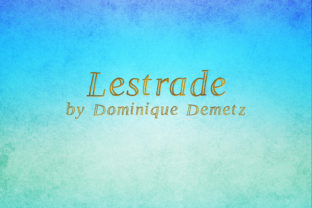
Lestrade: The Decorative Display Font by Dominique Demetz
Lestrade is a distinctive decorative display font designed by French typeface designer Dominique Demetz. Unlike utilitarian typefaces built for lengthy body text, Lestrade belongs to the category of display fonts—typefaces intended primarily for headlines, titles, branding, and short-form visual statements where personality and impact matter more than readability at small sizes.
Understanding what makes Lestrade unique requires looking at its design DNA, the intent behind its creation, and the practical contexts where a decorative font like this truly shines. Whether you are a graphic designer, a student exploring typography, or a business owner curious about font choices, this article explains everything you need to know about Lestrade—from its origins to its modern-day applications.
What Is a Decorative Display Font?
Before diving into Lestrade specifically, it helps to clarify the category it belongs to. In typography, fonts are broadly divided into two camps:
- Text fonts — designed for long-form reading at small sizes (like body copy in books, articles, or documents). These prioritize legibility, neutral appearance, and smooth reading flow.
- Display fonts — designed for larger sizes (headlines, posters, logos, signage). These prioritize visual character, mood, and distinctiveness over extended readability.
Lestrade is a decorative display font, meaning it goes even further in the direction of personality. Decorative fonts often incorporate ornamental details, unusual proportions, historical references, or hand-drawn qualities that make them unsuitable for paragraphs but highly effective for making a statement.
The Designer Behind Lestrade: Dominique Demetz
Dominique Demetz is a French typeface designer whose work reflects a deep appreciation for historical forms, artistic expression, and typographic storytelling. Demetz has created a range of fonts that often draw from vintage influences, calligraphic traditions, and decorative arts. Lestrade is one of his most recognized creations—a font that captures a specific mood and era while remaining usable for contemporary design projects.
Demetz's approach to type design is rooted in the French tradition of artistic typography, where letters are treated not merely as functional symbols but as visual artifacts that carry cultural and aesthetic weight. Lestrade exemplifies this philosophy: it is not a neutral tool but a designed object with intention and character.
Visual Characteristics of Lestrade
Lestrade has a distinctive appearance that sets it apart from both standard serif fonts and other decorative typefaces. Here are its key visual traits:
1. Ornamental Serifs and Flourishes
Lestrade features elaborate, flared serifs that are closer to calligraphic or engraved lettering than to traditional book typography. The serifs often curve outward or end in subtle decorative strokes, giving the font a baroque or Victorian-era feel.
2. High Contrast Between Thick and Thin Strokes
There is a pronounced dramatic contrast between the thick vertical stems and the thin horizontal or diagonal strokes. This creates a sense of elegance and formality, reminiscent of engraved invitations or vintage posters.
3. Condensed Letterforms
The letters are relatively narrow (condensed), allowing for tight spacing in headlines and titles. This makes Lestrade well-suited for vertical layouts, banners, and signage where space is limited.
4. Decorative Alternates and Ligatures
Like many quality decorative fonts, Lestrade often includes alternate characters and ligatures—special combinations of letters that flow together gracefully. These give designers flexibility to create custom wordmarks and avoid repetitive shapes.
5. A Touch of Antique Charm
Overall, Lestrade carries an old-world, handcrafted quality that evokes the late 19th or early 20th century. It feels at home in designs that reference historical periods, craftsmanship, luxury, or tradition.
Purpose and Significance of Lestrade
Why would a designer choose Lestrade over a more neutral font? The answer lies in the emotional and communicative power of typography. Lestrade is not trying to be invisible—it is trying to be memorable.
Here are the primary purposes Lestrade serves:
- Establishing a strong visual identity — Brands that want to communicate heritage, craftsmanship, or exclusivity often choose decorative fonts like Lestrade for their logos or headlines.
- Creating a sense of occasion — Invitations, certificates, awards, and event materials benefit from the formal, celebratory feel of Lestrade.
- Evoking a historical or vintage mood — Film posters, book covers, or packaging that references a specific era can use Lestrade to transport the viewer in time.
- Adding visual interest to short text — When you need a few words to carry visual weight—like a magazine title, a storefront sign, or a hero heading—Lestrade delivers impact.
Practical Applications: Where Lestrade Shines
Lestrade is not a font for every job, but in the right contexts, it elevates design dramatically. Here are realistic examples of where it works best:
Branding and Logos
A boutique hotel, a premium chocolate brand, a heritage jewelry line, or a high-end restaurant could use Lestrade in their logo to communicate luxury, tradition, and attention to detail. The font's ornamental quality makes it feel bespoke—like a custom lettering job.
Event and Wedding Invitations
Because Lestrade resembles engraved lettering, it is a natural choice for formal invitations. It pairs well with embossing, foil stamping, or letterpress printing, where its fine details can be physically felt.
Posters and Headlines
For movie posters, concert announcements, or editorial spreads that need a dramatic title, Lestrade draws the eye. Its condensed form means you can fit a long name or phrase with visual flair.
Packaging and Labels
Wine labels, perfume boxes, luxury cosmetics—any product that wants to suggest artisanship and quality can benefit from Lestrade's refined decorative style.
Signage and Environmental Design
In physical spaces—like a hotel lobby, a museum entrance, or a historic theater—Lestrade can be used for directional signs, room names, or feature walls to reinforce the ambiance.
How Lestrade Fits into Modern Design Workflows
While Lestrade has a historical feel, it is thoroughly modern in its technical implementation. It is available in digital formats such as OpenType, meaning it works across design software, websites, and even some mobile applications. Designers can access its alternate characters, ligatures, and stylistic sets using standard font features in programs like Adobe Illustrator, Photoshop, InDesign, and Canva.
For web design, Lestrade can be used via self-hosting or through font services that include it in their library. However, because it is a decorative font, it is best reserved for headlines and small text blocks—not body copy—to maintain readability and performance.
In recent years, there has been a resurgence of interest in ornamental and expressive typography, driven partly by the desire to stand out in a crowded digital landscape. Lestrade fits this trend perfectly: it offers a human, handcrafted feel in an age of sterile sans-serif interfaces.
Common Misunderstandings About Decorative Fonts Like Lestrade
Many people assume that decorative fonts are impractical or outdated, but this misses the point. Here are some clarifications:
- Myth: Decorative fonts are hard to read. — At proper sizes and contexts, they are designed to be read in short bursts. Lestrade is perfectly legible when used for a headline or title; you wouldn't use it for a paragraph.
- Myth: They are only for vintage designs. — While Lestrade has historical references, it can be paired with modern photography, minimal layouts, or contemporary color palettes. The contrast creates interest.
- Myth: They are not serious. — Many prestigious institutions and luxury brands use decorative typefaces to convey gravitas and tradition. Context dictates seriousness, not font category.
- Myth: Any decorative font works the same. — Each decorative font has a distinct personality. Lestrade's specific blend of elegance, formality, and condensed proportions sets it apart from other options.
Pairing Lestrade with Other Fonts
A key skill in typography is knowing how to pair a decorative font with supporting typefaces. Lestrade works best as a star player—the attention-grabbing element—alongside neutral, restrained fonts that let it shine.
Good pairing choices include:
- Classic serif fonts like Garamond, Baskerville, or Caslon — these echo the historical feel without competing for attention.
- Clean sans-serif fonts like Helvetica, Open Sans, or Montserrat — these provide a modern counterpoint that keeps the design fresh.
- Simple script fonts — for a layered, calligraphic look, but be careful to avoid clutter.
In practice, use Lestrade for the main headline or brand name, and a simpler font for subheadings, body text, and captions. This creates visual hierarchy and ensures readability.
Lestrade in Education and Learning
Typography students and design educators often study fonts like Lestrade to understand the role of ornament in communication. Analyzing Lestrade helps learners see how stroke contrast, serif shape, and letter spacing contribute to mood and meaning. It also serves as a case study in how historical references can be adapted for contemporary tools.
For beginners learning graphic design, experimenting with Lestrade can be a fun way to understand when to use decorative fonts and when to hold back—a crucial lesson in design restraint.
Conclusion: Why Lestrade Matters
Lestrade is more than just a font—it is a tool for storytelling. Designed by Dominique Demetz with a clear artistic vision, it offers designers and communicators a way to add depth, emotion, and distinction to their work. In a world of endless digital sameness, a well-chosen decorative font like Lestrade can make a message unforgettable.
Whether you are designing a wedding invitation, a luxury brand identity, a film poster, or a historic exhibition, Lestrade brings a touch of old-world elegance that feels both timeless and fresh. Understanding its characteristics, purposes, and best practices empowers you to use it effectively—and to appreciate the craft that goes into every letterform.
Typography is the voice of design. With Lestrade, that voice speaks with grace, character, and intention.