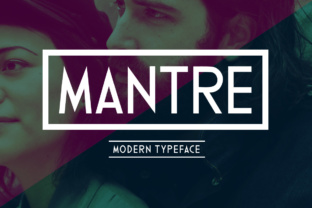
Mantre
When evaluating typefaces for a project, designers often seek a balance between contemporary character and practical versatility. Mantre, a modern sans serif font with angular construction and deliberate weight distribution, offers a compelling option for those who need a clean yet distinctive typographic voice. This article examines what Mantre is, explores its strengths and limitations, and provides practical guidance to help you decide if it aligns with your design goals.
What Makes Mantre Distinctive
Mantre belongs to the geometric sans serif family, but it introduces subtle angular details that set it apart from purely circular or uniform predecessors. Its letterforms feature crisp, slightly sharp terminals and a steady stroke contrast that gives the typeface a confident, architectural feel. The font is well-weighted across its range of styles, meaning that from light to bold, the proportions remain consistent and legible. This makes Mantre suitable for both display and text applications, provided the size and context are considered.
The angular quality is not aggressive; rather, it adds a touch of precision without sacrificing readability. Designers familiar with fonts like Futura or Montserrat will notice Mantre’s more defined corners and tighter joints, especially in characters like ‘A’, ‘N’, and ‘W’. This geometric rigor can lend a sense of structure and modernity to layouts, particularly in branding and interface design.
Reasons to Consider Mantre
Interest in Mantre often stems from its ability to work across multiple design contexts while maintaining a cohesive identity. Here are several practical reasons you might evaluate it for your next project:
- Versatile style range: Mantre includes multiple weights from thin to heavy, often with corresponding italics. This allows for clear hierarchy without switching between unrelated typefaces.
- Modern aesthetic: Its angular geometry feels current and aligns well with minimalist, tech-oriented, or progressive brand identities.
- Legibility at medium sizes: Unlike some geometric fonts that become cramped at small sizes, Mantre’s open apertures and balanced spacing help preserve clarity in body text above 10–12 points.
- Consistent color on the page: The well-weighted strokes create an even texture when used in paragraphs, reducing visual distractions.
Benefits and Tradeoffs
Every typeface involves compromises. Understanding Mantre’s benefits alongside its tradeoffs will help you make an informed choice.
Benefits
- High adaptability: Mantre works in headlines, subheadings, navigation labels, and short blocks of text. Its angular character adds personality without overwhelming the message.
- Pairing ease: It complements both serif and sans serif companions. For example, Mantre for headings and a neutral, warm sans like Source Sans Pro for body copy can create a balanced contrast.
- Strong in digital environments: The font renders well on screens due to consistent stroke widths and clear differentiation between similar characters.
- Available in many formats: Mantre often comes in OTF, TTF, WOFF, and variable font options, making it suitable for print, web, and app workflows.
Tradeoffs and Limitations
- Less warmth: The angular, geometric nature can feel cold or impersonal in projects requiring a friendly, organic tone. Humanist or calligraphic fonts may be better for such contexts.
- Not ideal for long-form reading at small sizes: Below 9–10 points, the sharp terminals and uniform geometry may reduce readability, especially for users with visual impairments.
- Limited decorative flourishes: If your design relies on ornate details or playful variation, Mantre’s strict geometry may feel restrictive.
- Potential overuse: Because Mantre is a contemporary geometric sans, it can resemble many other similar fonts. Distinctiveness is achieved through careful pairing and custom spacing.
When Mantre Is a Strong Fit
Based on its characteristics, Mantre performs particularly well in the following scenarios:
- Branding for modern companies: Tech startups, design agencies, fashion labels, and architectural firms often benefit from Mantre’s clean, forward-looking appearance.
- UI and app design: Its crisp letterforms and consistent weights make for clear labels, buttons, and menu items. Variable font support allows responsive weight adjustment across device sizes.
- Posters and editorial headlines: The angular geometry creates impact at larger sizes. Use bold or black weights to make statements in magazine spreads or event promotions.
- Minimalist web layouts: When the content needs to breathe and typography takes a supporting role, Mantre provides structure without drawing excessive attention.
When Alternatives May Be Worth Considering
No single typeface suits every situation. Under certain conditions, you might want to look beyond Mantre:
- If warmth and approachability are priorities: Fonts like Lato, Open Sans, or Karla offer more rounded, humanist details that feel friendlier. Mantre’s angularity may read as cold in contexts like healthcare, education, or community outreach.
- For ultra-compact or very small text: At sizes below 9 points, consider a typeface designed specifically for small-screen legibility, such as Noto Sans or IBM Plex Sans. These often have wider letter spacing and larger x-heights.
- When maximum distinctiveness is required: If you need a truly unique brand typeface, working with a custom design or selecting a less common geometric font might be better than using a widely available option like Mantre.
- In highly decorative or traditional contexts: Serif fonts or display typefaces with more expressive shapes will better suit ornamented, vintage, or classical designs.
Practical Decision-Making Insights
To determine whether Mantre aligns with your needs, consider the following points as you evaluate it within your project:
- Assess the tone of your content. Mantre conveys modernity, precision, and authority. If these words match your brand voice, proceed. If you aim for warmth, playfulness, or tradition, look elsewhere.
- Test readability at the sizes you’ll use. Pull a representative passage of your content and set it in Mantre at the intended body size. Check if characters like ‘a’, ‘e’, and ‘g’ remain clear. Also test on a screen at 100% zoom.
- Evaluate weight selection. Mantre offers multiple weights; choose a regular or medium for body text, and use bold or extra bold for headings. Avoid using the thin weight for small sizes, as it can become hard to read.
- Pair it with a contrasting font. For longer projects, combine Mantre with a serif or humanist sans serif to create visual interest. For example, use Mantre for headings and Source Serif Pro for paragraphs. Ensure the x-heights and stroke widths complement each other.
- Consider licensing and file formats. Confirm that the version of Mantre you obtain includes the range of weights and formats (web, desktop, app) you require. Variable font versions can save file size while providing fluid weight control.
- Get feedback from diverse users. Show your design in Mantre to a small group of potential readers or clients. Ask about first impressions: does the font feel appropriate, legible, and distinctive?
Helping You Decide: Is Mantre Right for Your Project?
Mantre is a well-crafted, modern sans serif font that brings angular character and reliable weight distribution to a wide array of design styles. Its strengths lie in versatility, clarity, and a contemporary look that suits branding, digital interfaces, and display headlines. However, its geometric nature may not suit every tone, and it requires careful sizing and pairing to maintain readability in prolonged reading.
If your project demands a clean, structured, and slightly edgy typographic foundation, Mantre deserves a place in your evaluation. If your needs lean toward warmth, organic shapes, or maximum legibility at very small sizes, exploring alternative typefaces will likely serve you better. By weighing the benefits and tradeoffs outlined here, you can confidently determine whether Mantre aligns with your goals and design context.