The Boller Typeface: Retro Display Font for Designers
If you have ever felt that your brand or project just needs a jolt of personality, something that instantly signals character without overwhelming the message, the answer might be hiding in a single typeface. In a landscape where minimalist sans-serifs often dominate, a well-crafted display font can be a breath of fresh air, and that is exactly where The Boller steps into the picture. Designed to evoke nostalgia while remaining functionally modern, this typeface is more than a decorative option—it is a strategic tool for any graphic designer looking to create memorable visual communication.
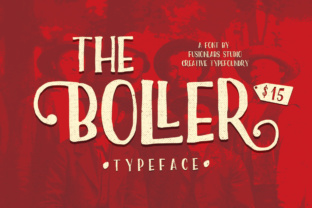
The Boller is a fun display font built specifically for retro and vintage-inspired design work. What makes it immediately useful is its ability to inject warmth and familiarity into projects ranging from branding systems to social media graphics. Instead of relying on overused typography trends, you can use Boller to give your brand identity a distinct, handcrafted feel that stands apart from the masses. Whether you are working on logo design, editorial layouts, or packaging design, this typeface serves as a versatile creative asset that strengthens visual hierarchy and boosts engagement.
What Makes The Boller Different in Typography Work
One of the most compelling reasons to reach for The Boller is its ornamental uppercase letter set. These decorative characters are not just stylistic flourishes—they are functional tools that help you establish a unique feeling in seconds. When you are working on a project that demands a strong brand voice, such as a boutique product label or a music festival poster, those ornamental letters can anchor the entire visual design. The typeface comes packed with 302 glyphs, including OpenType alternates that integrate seamlessly with industry-standard programs like Illustrator and Photoshop. This means you can access variations without leaving your design workflow, making it easier to experiment with letterforms and fine-tune your typography until it feels exactly right.
From a usability perspective, Boller offers a balance between decorative appeal and legibility. While many display fonts sacrifice readability for style, this typeface maintains enough clarity to work in headlines, banners, and even short body copy in editorial design. For digital marketing materials, where attention spans are short, having a typeface that grabs the eye while remaining easy to read is a distinct advantage. You can use it to create social media graphics that stop the scroll, or to design UI elements that convey personality without confusing the user experience.
Practical Applications Across Design Disciplines
The versatility of The Boller makes it suitable for an exceptionally wide range of creative projects. Here are some of the most effective ways to integrate it into your workflow:
- Branding and logo design: Use the ornamental caps to create a memorable monogram or wordmark that feels both timeless and playful.
- Marketing materials and advertising campaigns: Boller works beautifully on posters, flyers, and print ads where you need to communicate a retro or handcrafted aesthetic.
- Social media content and digital products: Apply the typeface to quote graphics, product announcements, or promotional banners to build a consistent visual identity across platforms.
- Packaging design and merchandise: Whether it is a limited-edition product label or a T-shirt graphic, Boller adds a tactile, screen-printed quality that resonates with audiences looking for authenticity.
- Editorial layouts and web design: Use it for pull quotes, section headers, or hero titles to establish a strong visual hierarchy that guides the reader through the content.
- Presentations and brand guidelines: Even internal documents can benefit from a typeface that conveys creativity and attention to detail.
How to Evaluate and Use Display Fonts Effectively
Selecting the right typeface for a project is about more than personal preference—it is about aligning typography with design goals, audience expectations, and brand identity. When you choose a display font like Boller, consider how it interacts with your overall composition. Does it complement your color palette and imagery? Does it scale well from a billboard to a mobile screen? Is it consistent with the emotional tone you want to communicate? These questions guide your decision-making process and help you avoid common pitfalls like sacrificing readability for flair.
In practice, using Boller effectively often means pairing it with a neutral or secondary typeface that handles body copy and smaller text. This creates visual contrast while maintaining a professional and polished result. The ornamental uppercase letters are best reserved for headlines, logos, or accent elements where they can command attention without causing visual fatigue. By treating typography as a system rather than a single choice, you strengthen the overall visual design and ensure that your message is both seen and understood.
In a world where brands compete for microseconds of attention, thoughtful design choices matter more than ever. The Boller typeface gives you a way to differentiate your work with a distinctive, retro-inspired voice that feels both fresh and familiar. Whether you are building a brand from scratch or refreshing an existing identity, investing in quality creative assets like this font can elevate your design workflow and improve how audiences perceive your message. Every project deserves typography that works as hard as you do, and Boller delivers that balance of fun, function, and personality.