Wahaj – Arabic: Where Elegance Meets Modern Type Design
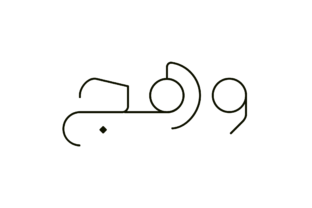
If you have ever searched for an Arabic typeface that feels both refined and current, you might have noticed a gap. Many classical fonts lean heavily into tradition, while modern ones sometimes sacrifice warmth for a sleek look. Wahaj – Arabic steps into that space with confidence. The name itself means “glare” in Arabic, evoking a sense of brightness and clarity. And that is exactly what this typeface delivers: a clean, luminous presence that brings sophistication to any project without feeling cold or inaccessible.
Whether you are designing a brand identity, laying out a magazine spread, or creating content for social media, the right typeface sets the tone before a single word is read. Wahaj does this quietly but powerfully. It does not shout for attention; it earns it through balance, proportion, and a subtle interplay of light and form.
What Makes Wahaj Different from Other Arabic Fonts
Arabic calligraphy has a long and rich history. Traditional scripts like Naskh and Thuluth carry centuries of artistry, but they can feel too ornate for modern interfaces or minimalist branding. On the other end, many contemporary Arabic fonts lean so far into simplicity that they lose the natural rhythm and flow of the script. Wahaj – Arabic avoids both extremes.
The design sits comfortably between the two worlds. The letterforms are crisp and legible, yet they retain the graceful curves that make Arabic script so distinctive. The stroke contrast is subtle, not dramatic, which helps the font work well in both large headlines and body text. There is a certain airiness to it—the characters feel open and inviting rather than dense or heavy. That is where the “glare” comes through: the typeface seems to reflect light, giving it a polished, modern feel.
Another practical detail is the spacing. Wahaj uses generous but controlled letter and word spacing, which improves readability, especially in digital environments. This makes it suitable not only for print but also for websites, mobile apps, and user interfaces where clarity matters.
Who Can Benefit from Using Wahaj
The beauty of this typeface is its versatility. It is not locked into one style or use case. Here is a look at who might find it especially useful:
- Brand and identity designers looking for a font that communicates both tradition and forward-thinking values. Wahaj works well for logos, business cards, and brand guidelines where Arabic is the primary script.
- Publishing professionals who need a reliable text face for books, magazines, or editorial layouts. The font’s legibility at smaller sizes makes it a strong choice for long-form reading.
- Digital creators and social media managers who want their Arabic content to appear polished without being overly decorative. Wahaj scales well on screens and holds up in various resolutions.
- Small business owners and entrepreneurs who are building a brand from scratch. A distinctive typeface can elevate a simple logo or website, and Wahaj offers that professional edge without requiring a full design team.
- Educators and content creators who produce learning materials in Arabic. Clear, friendly typography helps learners focus on the content rather than struggling with the letters.
Practical Applications Across Different Fields
To truly understand where Wahaj – Arabic shines, it helps to look at specific scenarios. Imagine you are a freelance designer working on a branding project for a boutique café that specializes in Arabic coffee. The client wants a logo that feels warm, modern, and rooted in tradition. A heavy, ornate font might feel too formal, and a stripped-down sans-serif might feel generic. Wahaj gives you a middle ground: elegant enough to suggest craftsmanship, clean enough to feel current. Paired with a neutral color palette, the logo communicates quality without pretension.
Consider a digital publication that covers Middle Eastern culture and contemporary art. The editorial team needs a typeface that works across articles, photo captions, and pull quotes. Wahaj handles all these roles comfortably. Its consistent stroke weight and readable proportions mean that readers can scan through long articles without eye strain, while the font’s subtle character keeps the design interesting.
For marketers running Arabic-language ad campaigns, the font offers another advantage. It looks confident at display sizes, making it effective for posters, banners, and billboards. The clean lines also translate well to digital ads where readability is crucial for quick engagement.
Even in personal projects—like a wedding invitation, a personal blog, or a video title sequence—Wahaj adds a layer of polish that feels intentional. It is the kind of font that does not compete with the content; it supports it.
What to Consider Before Choosing Wahaj
No typeface is perfect for every situation, and being aware of a few considerations will help you use Wahaj more effectively.
- Language support. Wahaj is designed primarily for Arabic script. If your project also requires extensive Latin character support or other scripts, check the font’s character set to ensure it covers what you need. Some projects may need a complementary Latin typeface.
- Context and audience. While Wahaj is modern and elegant, it may not suit every brand voice. A very edgy, experimental brand might prefer something more unconventional. Consider the personality of the project first.
- Size and weight options. Depending on the version you use, check how many weights are available (light, regular, bold, etc.). A family with multiple weights gives you more flexibility for hierarchy and emphasis in your designs.
- Licensing. Always confirm the license terms for your specific use—whether it is for personal projects, commercial work, or embedding in digital products. Respecting font licensing ensures you avoid legal issues and support the designers.
- Testing in context. Before finalizing a design, test Wahaj in the actual medium you will use. A font that looks beautiful in a preview may behave differently in a mobile app or at very small print sizes. Run real-world tests.
Why Wahaj Appeals to Both Beginners and Professionals
One of the understated strengths of Wahaj – Arabic is how approachable it feels. A beginner who is just starting to explore typography will find it easy to work with because it does not require complex kerning adjustments or special handling. It behaves predictably across software like Adobe Illustrator, Figma, or Canva, and it pairs naturally with simple layouts.
For experienced designers, the appeal lies in the details. The way the curves taper, the consistent rhythm of the baseline, the careful balance between thick and thin strokes—these are elements that a trained eye will notice and appreciate. Wahaj gives professionals a tool that feels refined without being fussy. It can be the foundation of a system or a subtle accent in a larger composition.
Hobbyists and casual users, too, will find it rewarding. If you are creating content for a personal blog, a family newsletter, or a community event poster, using a well-designed typeface like Wahaj instantly makes your work look more thoughtful. You do not need a degree in design to see the difference it makes.
The Role of Wahaj in Contemporary Arabic Design
Arabic typography is experiencing a renaissance. More designers are creating original typefaces that respect the script’s heritage while pushing it in new directions. Wahaj – Arabic belongs squarely in this movement. It acknowledges the past without being trapped by it, and it looks forward without losing sight of what makes the script beautiful.
In a region where visual identity matters deeply—whether for luxury brands, cultural institutions, or digital startups—having access to a typeface that balances elegance with modernism is not a luxury; it is a practical need. Wahaj meets that need. It gives designers a reliable, beautiful tool that works across print, screen, and brand applications.
If you are exploring typefaces for an upcoming project, give Wahaj a close look. Try it in headlines, in paragraphs, in color, and in black and white. See how it feels at different sizes and in different contexts. You might find that this font—with its quiet glare and balanced proportions—is exactly what your work needs to stand out with subtle confidence.