Understanding Wet Brush as a Strategic Design Tool
When you first encounter Wet Brush, you see a font that captures the raw energy of street art and urban advertising. Its brushstrokes feel spontaneous, almost aggressive. For entrepreneurs, marketers, and creators who need to cut through digital noise, Wet Brush offers more than just a visual gimmick—it provides a deliberate method for signaling authenticity, movement, and human touch. Using it well requires understanding not just what it looks like, but how it can advance your planning, positioning, and long-term communication goals.
What Wet Brush Is and Why It Matters for Decision-Makers
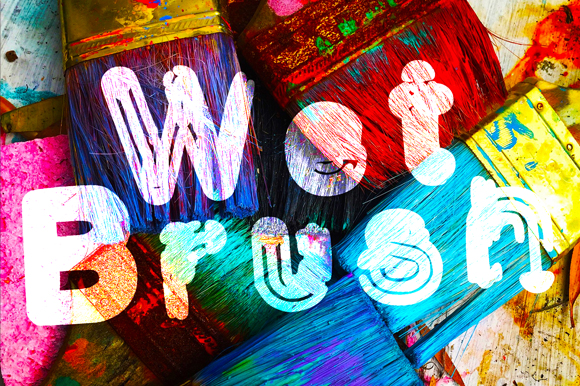
Wet Brush is a brush-style typeface that mimics the look of painted lettering on city walls, signage, or handmade posters. It carries the visual weight of something created quickly but with intention. This is not a font for passive reading; it demands attention. For professionals who need to make decisions about brand presence, user experience, or content hierarchy, Wet Brush becomes a tool for directing focus and conveying a specific tone.
The strategic value lies in its ability to create contrast. In a landscape of polished sans-serifs and clean grids, a splash of brushstroke texture instantly signals a different kind of interaction—one that is less corporate, more human, and rooted in real-world culture. If your goal involves building trust with an audience that values transparency or raw creativity, Wet Brush can help you position your message as something honest and immediate.
How Wet Brush Fits Into Brand Positioning and Communication Goals
Before using Wet Brush, ask yourself what you want your audience to feel. The font works best when your brand identity already leans toward rebellion, handmade quality, or urban influence. For a small business selling artisanal products, a freelance designer showcasing portfolio work, or a content creator launching a campaign that challenges norms, Wet Brush reinforces that positioning.
However, it is not a one-size-fits-all solution. A financial services firm or a healthcare provider would likely create confusion if they applied Wet Brush to their official materials. The font carries connotations of imperfection and speed—qualities that might undermine trust in contexts requiring precision and stability. Thoughtful positioning means matching the aesthetic with the emotional and rational expectations of your audience. When aligned correctly, Wet Brush can make headlines, call-to-action buttons, or section titles feel urgent and memorable, directly supporting your conversion or engagement goals.
Aligning Wet Brush With Your Brand Voice
Your brand voice should match the visual energy Wet Brush brings. If your copy is formal and detailed, the font will clash. If your writing is conversational, direct, and slightly irreverent, Wet Brush amplifies that tone. Before committing, test a few headlines in the font within your actual layout. Does the pairing feel natural? Does it support your key message without overwhelming it? Many creators find that using Wet Brush sparingly—for only the most important words or phrases—increases its impact while reducing the risk of visual fatigue.
Planning Your Use of Wet Brush: When and Where It Works Best
Strategic planning around a font like Wet Brush involves more than selecting a typeface. You need to consider context, scale, and surrounding elements. The font works best at larger sizes—headings, banners, social media graphics, posters, or video titles. At small sizes, the brush details become muddled and readability drops. This makes it ideal for capturing attention from a distance or in fast-scrolling environments like Instagram or TikTok.
Think about the user journey. If your goal is to drive a specific action—signing up for a newsletter, purchasing a product, or clicking a link—placing a Wet Brush call-to-action can create a sense of urgency. The rough edges almost feel hand-painted, suggesting that the offer is timely and not manufactured. For long-form content like blog posts or reports, reserve Wet Brush for section dividers or pull quotes to break up text and guide the reader’s eye.
Practical Planning Steps
- Define the purpose: Is Wet Brush being used for branding, advertising, or internal communication? Each context demands different levels of polish and legibility.
- Test contrast: Ensure the brush texture stands out against backgrounds. Dark, textured surfaces or busy images can drown out the letterforms.
- Pair with simple fonts: Use a clean sans-serif or serif for body text to let Wet Brush shine without competing.
- Limit character-heavy uses: Short phrases (three to six words) work best. Longer sentences may lose impact and become hard to read.
- Consider platform: What works on a printed poster might not translate well to a mobile screen. Always preview on the primary device your audience uses.
Practical Applications Across Different Professional Contexts
Entrepreneurs launching a new product line can use Wet Brush for packaging labels to evoke handcrafted authenticity. A marketing agency building a campaign for a music festival might rely on Wet Brush for all digital ads to capture the raw energy of the event. Freelancers and creators often deploy it in portfolio headers or personal logos to signal a no-nonsense, creative approach.
For educators and trainers, Wet Brush can be effective in presentation titles or workshop materials that aim to inspire action rather than just transmit information. The visual break from standard slides encourages learners to pay attention. In publishing, it appears on book covers or chapter openers that target audiences interested in urban culture, street fashion, or contemporary art.
Even in operations and internal communications, a strategic sprinkle of Wet Brush can humanize company announcements—for example, a poster celebrating a team milestone or a wall mural in the office. The key is restraint. Overuse dilutes its distinctiveness.
Case Example: A Small Business Rebrand
Consider a local coffee roastery that wants to stand out against chain competitors. Their audience values authenticity and craft. Before the rebrand, their materials used standard fonts that felt generic. After introducing Wet Brush for product names on bags and in-store signage, customers began associating the brand with hand-painted, artisanal quality. Sales of featured blends increased by 20% over three months. The font alone didn’t drive the result, but it reinforced the story they were telling about small-batch, carefully sourced beans.
Risks of Using Wet Brush Without Clear Intent
Without a clear goal, Wet Brush can backfire. Its strong personality may overshadow the message you actually want to communicate. If used for body text, readers will struggle to parse information, leading to higher bounce rates or lower comprehension. If applied inconsistently across your materials, it can make your brand look amateurish rather than intentional.
Another risk is trend-driven use. Many creators adopt a font because it looks cool in someone else’s project, but they haven’t connected it to their own strategy. This results in a disjointed brand experience where the visual identity clashes with the actual value proposition. Audiences are perceptive—they sense when a design choice lacks purpose. Over time, this erodes trust and makes your communication feel shallow.
Accessibility is a third concern. Wet Brush has limited legibility for people with visual impairments or reading difficulties. If your decision-making doesn’t account for all users, you may exclude part of your audience. Always provide alternative text or high-contrast versions where needed, and never rely on it for critical information like navigation or legal disclaimers.
Making Wet Brush Work for Long-Term Results
Long-term value from Wet Brush comes from treating it as part of a broader system, not a one-off decoration. Define brand guidelines that specify exactly when and where the font should appear. For example, you might allow it only for headline hierarchies in marketing collateral, while prohibiting its use in body copy or email footers.
Consider evolution. A font that feels fresh today may become overused in a few years. Build flexibility into your design system so you can rotate or complement Wet Brush with other expressive typefaces without losing consistency. Periodically review your materials to ensure the font still supports your current goals. As your business scales or pivots, the tone you need may shift, and Wet Brush may no longer fit.
A Decision-Making Framework for Wet Brush
- Identify your primary objective: Are you trying to increase brand recall, drive immediate action, or communicate a cultural connection? Different objectives lead to different usage rules.
- Assess your audience’s expectations: What visual language do they trust? If your audience skews older or more traditional, use Wet Brush sparingly and test their response.
- Evaluate your existing visual identity: Does Wet Brush complement or clash with your current color palette, imagery, and other fonts? Create mockups to see the interaction.
- Set constraints: Limit Wet Brush to a maximum of one or two applications per page. Define character limits and minimum size thresholds.
- Monitor performance: Track engagement metrics on materials that feature Wet Brush. Compare click-through rates, time on page, or conversion rates against earlier versions. Let data guide adjustments.
The most successful use of Wet Brush is invisible to the casual observer—it feels like the only right choice, never a forced trend. When your planning includes this level of intentionality, the font stops being a decoration and becomes a strategic asset that supports your goals, enhances your positioning, and builds a lasting connection with the people you want to reach.