I8080: A Retro-Futuristic Extruded Monospace Font
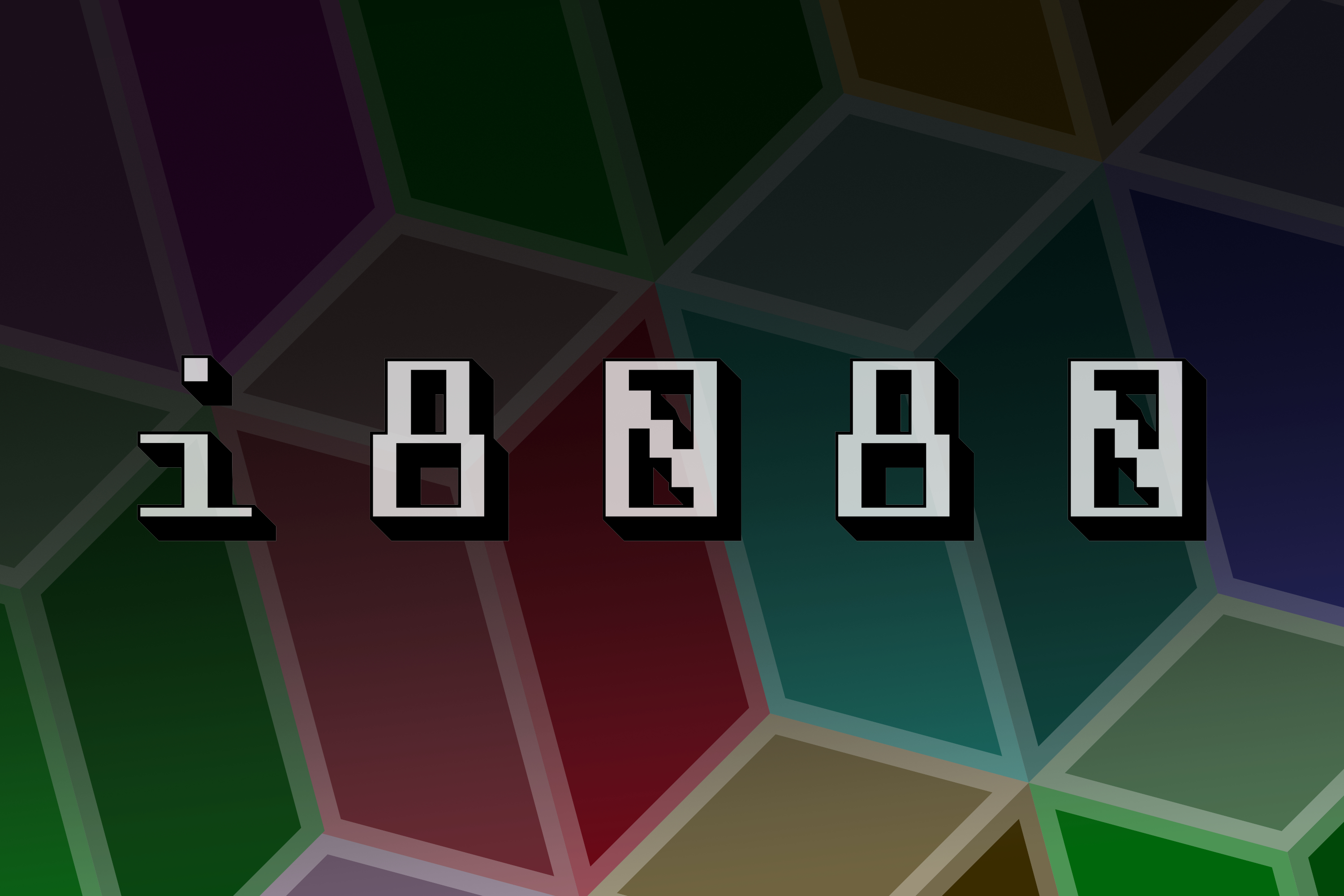
If you have been searching for a display font that bridges the gap between vintage computing and modern design, I8080 offers a compelling solution. This extruded monospace typeface captures the 8-bit aesthetic of early computer graphics while maintaining a clean, structured appearance that works well in contemporary projects. Unlike many novelty fonts that feel gimmicky, I8080 brings a sense of purposeful design—its extruded shape adds depth without distracting from readability, making it suitable for headers, logos, and digital interfaces where you need to stand out without sacrificing professionalism.
Why I8080 Stands Out in a Crowded Font Landscape
The typography market is saturated with options that either lean too heavily on nostalgia or ignore it entirely. I8080 occupies a rare middle ground. Its monospace structure ensures every character occupies the same width, which is a nod to the terminals and coding environments of the 1980s. The extruded effect adds a three-dimensional quality that feels both physical and digital—like letters carved from glowing neon or molded from plastic. This duality gives I8080 a futuristic edge that feels fresh rather than dated.
For designers who have used standard monospace fonts like Courier or Consolas, I8080 offers a departure from flat, utilitarian shapes. The extruded depth introduces a subtle play of light and shadow that can make headings pop on screen or in print. It retains the disciplined grid of monospaced type but injects personality that works for brands aiming to communicate innovation, precision, or a tech-forward identity.
Practical Benefits for Designers and Content Creators
Choosing the right font can save hours of revision and elevate a project from ordinary to memorable. I8080 helps achieve that with minimal effort. Here are some specific ways it supports creative workflows:
- Brand identity development: A tech startup or creative studio can use I8080 in its logo or tagline to signal a connection to digital culture without looking like a parody. The extruded effect gives the logo a tangible presence that photographs well on merchandise or websites.
- Streamlined design iterations: Because I8080 already carries strong visual character, you spend less time layering effects or adding decorative elements. It works as a standalone statement piece, reducing the need for extra graphics that might clutter the composition.
- Clear communication in presentations: For educators or entrepreneurs pitching ideas, I8080 in slide titles draws attention immediately. The monospace grid helps maintain alignment across slides, and the extruded look signals confidence and forward thinking—useful for investor decks or conference talks.
- Efficient content hierarchy: When used for headers in blog posts, newsletters, or landing pages, I8080 naturally segments content. Readers recognize the distinct style as a cue for importance, which improves scanability and engagement without extra formatting work.
Who Benefits Most from Using I8080
While any creative professional could find value in I8080, certain groups will see the greatest return from integrating it into their toolkit.
Web and UI designers appreciate the font’s consistent character widths for aligning buttons, navigation menus, and data displays. An extruded monospace font adds a tactile quality to digital interfaces that can make a website feel more interactive and less flat. For landing pages targeting tech-savvy audiences, I8080 conveys authenticity without relying on clichéd pixel fonts.
Graphic designers working on posters, flyers, or album art can use I8080 to evoke retro computing culture while keeping the overall design approach modern. The extruded effect looks especially striking when paired with gradients or duotone color schemes, allowing designers to create depth that draws the eye.
Content marketers and bloggers covering technology, gaming, or entrepreneurship can use I8080 strategically for category headers, pull quotes, or call-to-action buttons. It reinforces the theme of a post without distracting from the message itself. A blog about vintage computing, for example, gains immediate credibility when I8080 appears in the title or sidebar widgets.
Educators and trainers developing materials for coding classes, digital literacy workshops, or STEM programs can use I8080 to make handouts and slide decks more engaging. The monospace structure subtly reinforces the idea of structured thinking, while the retro vibe resonates with learners who appreciate gaming culture.
Real-World Applications That Showcase I8080 Strengths
Seeing a font in action helps clarify whether it fits your next project. Here are a few scenarios where I8080 performs particularly well:
- Tech conference branding: Imagine a keynote speaker’s name displayed in large extruded letters on stage—I8080 holds its shape at scale and reads clearly from distance. Combined with dark backgrounds and neon accents, it creates a futuristic atmosphere that aligns with themes of innovation and digital transformation.
- Podcast or video channel logo: Many content creators rely on strong typography to make their brand identifiable in thumbnails and social media headers. I8080 stands out in small sizes, and its extruded effect adds a production value that suggests professional effort without expensive animation.
- Product packaging for limited editions: A craft beverage company releasing a limited-run product with a retro-tech theme could use I8080 for the label. The font communicates a playful but premium feel, especially when printed with foil stamping or embossing that enhances the extruded illusion.
- Educational infographics for coding concepts: A flowchart or comparison table that uses I8080 for key terms becomes instantly more memorable. Students absorb the material faster when visual elements reinforce the subject matter, and the monospace grid makes side-by-side comparisons easier to follow.
Limitations and Fit Considerations
No font works equally well in every context, and I8080 has constraints worth noting. Its extruded nature means it performs best at display sizes—typically 24 points or larger on screen, and larger still in print. Using it for body text or lengthy paragraphs can strain readability due to the depth effect and fixed character width. For long-form articles or documentation, pair I8080 with a clean sans-serif like Inter or Roboto for body copy.
Additionally, the retro-futuristic style may not suit every brand voice. A conservative law firm or medical practice would likely find I8080 too casual or tech-oriented. In such cases, compare it with other display fonts that offer subtle geometric influence without the extruded depth. Fonts like Space Mono or Orbitron provide a modern tech feel with less decorative intensity, giving you alternatives if I8080 feels too bold for your audience.
Finally, consider licensing and file formats. As with any typeface, verify that I8080 includes the weights and language support you need before committing to a large project. Some extruded fonts have limited character sets, so test it with your specific content early in the design process.
Making the Most of I8080 in Your Workflow
To integrate I8080 effectively, start by using it as a headline or accent rather than a primary text face. This preserves its impact and prevents reader fatigue. Color choices matter—I8080 pairs well with solid backgrounds that contrast sharply with the extruded edges, such as black, navy, or deep purple. Avoid placing it over busy patterns or photographs, as the depth effect competes with visual noise.
For digital projects, adjust letter spacing slightly to improve legibility at smaller sizes. The monospace grid already provides structure, but a modest increase in tracking can make each character breathe. If you are using I8080 in a logo, consider how it scales down to favicon or app icon size—sometimes a simplified crop works better than the full character set.
Experiment with combining I8080 with softer or more organic elements, like hand-drawn illustrations or fluid shapes. The contrast between rigid monospace and fluid design creates visual tension that modern audiences find engaging. This approach applies equally to social media graphics, website hero sections, and printed collateral.
Guidance for Choosing I8080 Over Similar Options
The decision to use I8080 often comes down to what feeling you want the typography to evoke. If your project needs to communicate precision, digital heritage, or a futuristic edge without sacrificing approachability, I8080 is a strong candidate. Compare it with pixel fonts that recreate retro video game text—those often feel purely nostalgic, while I8080’s extruded geometry adds a level of sophistication that works for both vintage-inspired and forward-looking designs.
If you are targeting an audience that values authenticity and craftsmanship, such as independent game developers, tech hobbyists, or creative entrepreneurs, I8080 can serve as a visual shorthand for those values. It says that you understand the roots of digital culture but are not stuck in the past. That balance is rare in display fonts and makes I8080 worth evaluating seriously for your next project.
Final Thoughts on Using I8080 for Distinctive Projects
I8080 is not a font that blends into the background—and that is exactly its strength. For creatives and professionals who need a display typeface with character, depth, and historical resonance, it offers a practical tool that supports visual goals without requiring elaborate styling. By using it strategically at larger sizes and in contexts where its retro-futuristic energy aligns with your message, you can elevate your work while saving time on decorative extras. Whether you are building a brand, designing a presentation, or crafting engaging digital content, I8080 provides a distinctive voice that helps you stand apart from the masses.