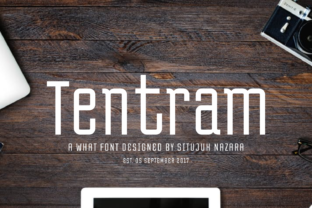
Tentram: The Retro Mobile Font That’s Redefining Digital Branding
When was the last time you powered on an old mobile phone from the early 2000s? That familiar startup chime, the grainy LCD glow, the slightly jagged characters on a low-resolution screen—it evokes a distinct sense of nostalgia that today’s sleek, high-peel interfaces rarely capture. Tentram is a display font that delivers that exact sensation, but in a modern, digital-ready package. It’s not merely a typeface; it’s a storytelling tool that connects audiences to the formative years of mobile technology and invites them to rediscover the charm of imperfection in an age of polish.
This article explores what makes Tentram stand out in the crowded typography landscape, why designers, marketers, and entrepreneurs are embracing its retro mobile feel, and how it fits into larger shifts in branding, user experience, and cultural nostalgia.
What Is Tentram? A Font with a Story
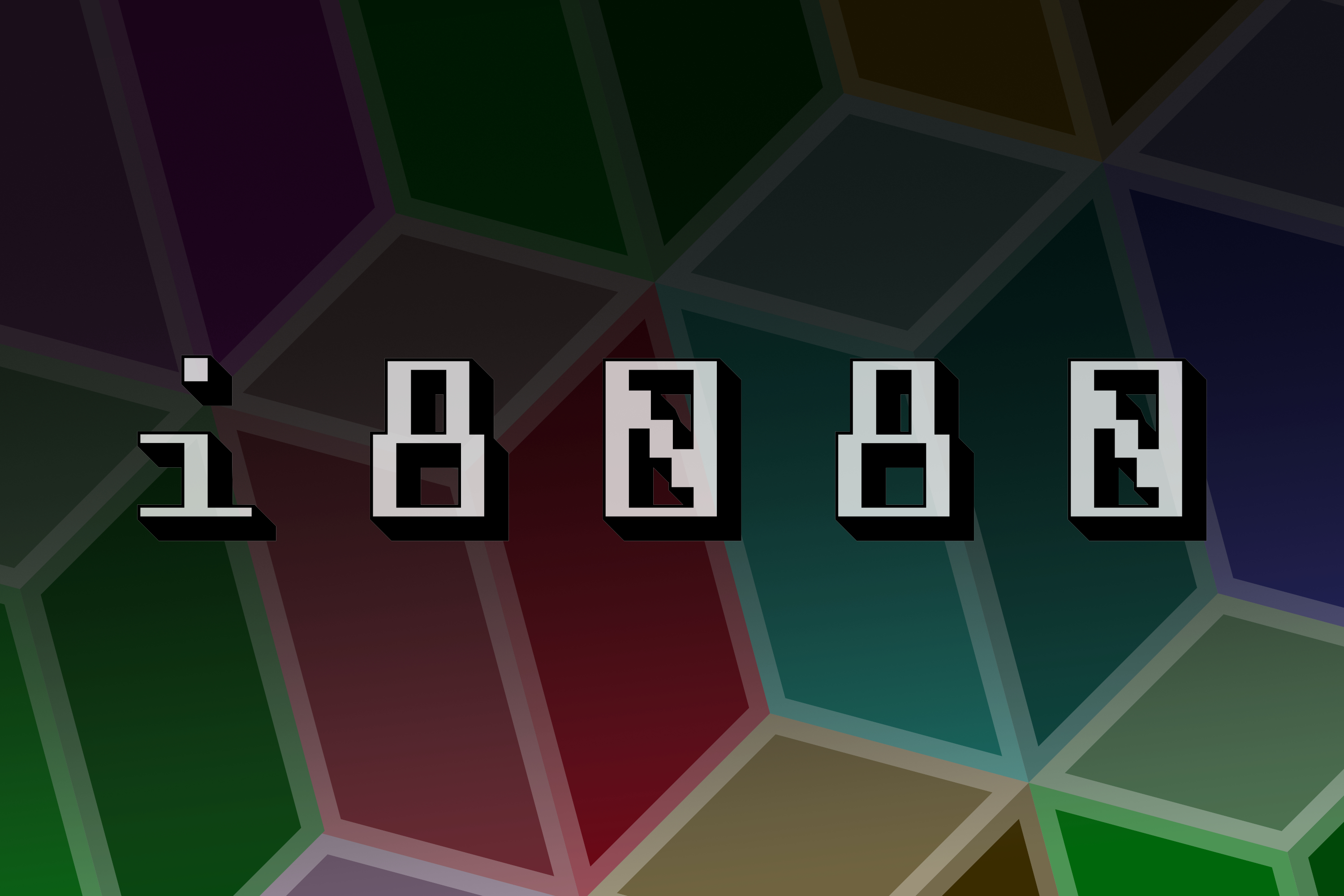
Tentram is a display font designed to mimic the pixelated, grid-based letterforms found on early mobile phones, PDAs, and handheld gaming devices. Unlike standard pixel fonts that aim for perfect uniformity, Tentram introduces subtle irregularities—slightly rounded corners, uneven stroke weights, and intentional aliasing—that replicate the physical limitations of old LCD screens and keypad inputs. The result is a typeface that feels alive, worn, and endearingly personal, as if each character was typed with thumbs on a tiny rubber keyboard.
Its name draws from the Indonesian word tentram (meaning “peaceful” or “serene”), reflecting the calm, uncluttered experience this font brings to digital environments. Tentram doesn’t shout for attention; it invites the viewer to lean in and explore. This makes it an ideal choice for app interfaces, digital journals, retro-themed marketing, and any brand that wants to evoke authenticity and warmth without sacrificing readability.
Why Tentram Resonates in Today’s Creative and Business Landscape
Typography is more than decoration—it’s a primary vector of brand personality. In an era where consumers are bombarded with hyper-polished visuals, the “imperfect” aesthetic of Tentram stands out because it feels human. This aligns with several broader trends:
1. The Nostalgia Economy
Nostalgia continues to be a powerful marketing driver, especially among Millennials and Gen Z who grew up with early mobile tech. Brands from Nike to Spotify have tapped into Y2K aesthetics, and Tentram fits perfectly into that movement. By using a font that directly references the physical experience of old phones, brands can trigger sentimental connections without relying on clichés. For instance, a meditation app could use Tentram for its onboarding screens to create a retro, low-stress vibe, or a music streaming service might feature it in a curated playlist dedicated to early 2000s hits.
2. The Search for Authenticity
As consumers grow wary of sterile, corporate minimalism, they gravitate toward brands that feel genuine and approachable. Tentram’s pixel-based yet soft letterforms convey authenticity and transparency. It suggests that the brand values substance over style, and that it remembers its roots. Startups and small businesses especially benefit: using Tentram in logos or social media graphics instantly sets them apart from the Helvetica-heavy competition and communicates a creative, grounded identity.
3. The Human-Centric Digital Experience
User experience (UX) design is moving beyond mere functionality toward emotional design. Tentram adds a layer of personality that standard system fonts cannot. When used for micro-interactions—like a loading spinner, a notification badge, or a playful error message—it transforms a mundane moment into a delightful surprise. Designers report that users react positively to Tentram’s familiarity; it reduces cognitive friction because it evokes a simpler time of digital interaction.
Practical Applications Across Industries
Tentram is versatile enough to enhance a wide range of projects, from product design to full-scale branding campaigns. Here are some concrete ways professionals are using it today:
App and Mobile UI
Given its mobile heritage, Tentram feels right at home in app design. A habit-tracking app might use it for its home screen header and progress badges, creating a retro-game ambience that motivates daily check-ins. An e‑commerce app could deploy Tentram for limited-edition product launches, signaling nostalgia for the early days of online shopping. The key is to use Tentram as a specialized accent rather than a body text face—reserve it for headings, buttons, and key visuals to maintain impact without sacrificing legibility.
Marketing and Social Media
In a crowded feed, your typography can be the difference between a scroll‑past and a double‑tap. Tentram works wonderfully for Instagram stories, TikTok overlays, and email headers that aim for a retro vibe. A coffee brand launching a new cold brew can use Tentram in its “drop” notifications to evoke the neon signs of 2000s convenience stores. Similarly, a tech newsletter could employ Tentram for its masthead to suggest insider knowledge and a playful, hacker‑like culture.
Limited Editions and Collaborations
Exclusivity often requires visual cues that signal “special.” Tentram pairs especially well with gritty textures, halftones, and neon color palettes. Sneaker brands, fashion labels, and music artists have used it for capsule collections and album art. The font’s low-tech feel contrasts beautifully with high‑resolution product photography, creating a visual tension that grabs attention. For example, a limited‑run streetwear drop might feature Tentram in its pre‑order poster, instantly communicating a throwback vibe that aligns with vintage sneaker culture.
Personal Branding and Portfolios
Freelancers and entrepreneurs use Tentram to build a distinctive personal brand. A web developer’s portfolio could feature Tentram in the logo and project names, suggesting both technical skill and creative nostalgia. A designer’s resume PDF might use Tentram for section headings, making the document feel more curated and less corporate. In a world where everyone uses the same set of Google Fonts, Tentram offers immediate differentiation.
The Changing Workflows and Expectations That Make Tentram Relevant
The rise of Tentram is not an isolated phenomenon—it reflects three major shifts in how professionals approach digital design and branding.
1. From Minimalist Homogeneity to Expressive Individuality
For the better part of a decade, the design world embraced minimalism: clean lines, generous whitespace, and neutral sans‑serifs. While effective, this approach has led to a visual monoculture. Brands are now hungry for personality. Tentram offers a way to break out without being loud. Its retro mobile feel is distinct but understated, making it a perfect tool for brands that want to say “we’re different” without screaming. Design teams are increasingly building custom typographic systems that include one or two alternate typefaces; Tentram often becomes the “personality” font in those systems.
2. The Micro‑Interaction Revolution
Users now expect digital products to be not just functional but delightful. The small moments—loading states, pull‑to‑refresh, error pages—are where brand personality shines. Tentram’s friendly, slightly pixelated forms turn these utilitarian elements into memorable brand touchpoints. For example, a fintech app could use Tentram to display transaction confirmations: “Payment sent √” in Tentram feels reassuring and almost game‑like, reducing the anxiety often associated with financial apps. This aligns with the broader trend of gamification and emotional UX.
3. The Return to Craft and Storytelling
Consumers no longer buy products alone; they buy stories and values. A font that carries a narrative—“this is inspired by the first mobile phone you ever held”—gives brands a ready‑made conversation starter. When an entrepreneur chooses Tentram for their brand, they are implicitly telling customers: “We value the journey, the memory, and the human touch.” This narrative layer is critical in a marketplace where authenticity is currency. Typography that has a visible backstory (like Tentram) is more shareable and more likely to be remembered.
Getting Started with Tentram in Your Next Project
Integrating Tentram into your workflow is straightforward, but it works best when used with intention. Here are a few practical guidelines:
- Use it as a display font only. Due to its pixel-based structure and readability constraints at small sizes, Tentram is best reserved for headings, short callouts, and decorative elements. Pair it with a clean sans‑serif (like Inter or Work Sans) for body text.
- Consider context. Tentram shines in digital media—mobile apps, websites, social graphics—where its retro mobile association is immediately felt. Avoid it for formal documents (like legal contracts or white papers) where clarity takes precedence.
- Experiment with color and texture. Tentram’s grid origin works beautifully with neon, pastel, or sepia palettes. Try adding a subtle screen‑print overlay effect to your design to emphasize the vintage feel.
- Test with your audience. If your target demographic skews older (Gen X or early Millennials), Tentram will tap directly into their memories of Nokia, Sony Ericsson, and BlackBerry devices. For younger audiences, the font offers a fresh “old is new” aesthetic that still feels cool.
Tentram is available in multiple weights (Light, Regular, Bold) and includes extended Latin character support, making it suitable for global projects. Font licensing is permissive for both personal and commercial use, though you should always check the distributor’s terms for specific restrictions. Many foundries offer a free trial weight, so you can test its fit before committing.
Embrace the Future by Revisiting the Past
Tentram is more than a font—it’s an invitation to remember the technology that shaped our digital lives. In an industry obsessed with the next new thing, Tentram proves that the past can be a source of originality. It reminds us that true innovation often comes not from discarding old tools, but from re‑imagining them for new purposes.
Whether you’re a designer crafting an immersive app, a marketer launching a limited‑edition campaign, or an entrepreneur building a brand from scratch, Tentram offers a distinct voice that resonates in today’s noise. It bridges the gap between nostalgia and forward‑thinking design, creating experiences that feel both familiar and fresh. The next time you open that metaphorical drawer and power up an old phone, pay attention to those pixelated letters—they may just inspire your next great project.