Pipe Dream: How a Playful Display Font Is Redefining Digital Expression
Typography has always been the silent partner in communication. It shapes tone, influences perception, and often dictates whether a message lands or gets lost. In recent years, the landscape of type design has shifted dramatically. Minimalism gave way to personality, and utility made room for delight. Enter Pipe Dream, a playful display font that captures this moment with remarkable precision. But Pipe Dream is not just another typeface in an ever-expanding library. It represents something larger: a growing demand for authenticity, warmth, and character in a world saturated with sterile, uniform design.
For professionals, creators, entrepreneurs, marketers, and freelancers, understanding why Pipe Dream matters goes beyond aesthetics. It touches on workflow changes, audience expectations, and the broader cultural movement toward human-centered communication. This article explores what Pipe Dream is, why it has captured attention, and how it fits into the evolving currents of business, technology, lifestyle, and creativity.
Understanding Pipe Dream: More Than Just a Typeface
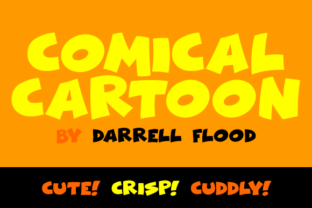
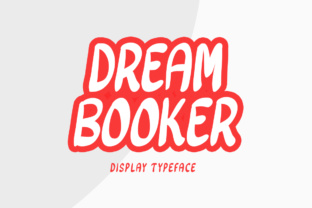
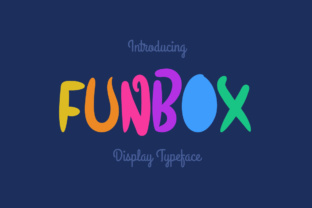
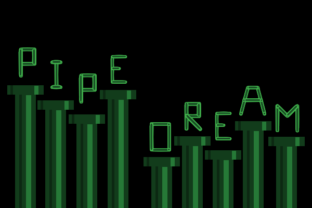
At its core, Pipe Dream is a display font designed for impact. Its playful curves, irregular strokes, and whimsical proportions are deliberately crafted to evoke a sense of spontaneity and joy. Unlike utilitarian fonts that prioritize legibility above all else, Pipe Dream leans into expression. It is meant to be seen, felt, and remembered.
But to define Pipe Dream solely by its appearance would be to miss the point. Playful display fonts like Pipe Dream are part of a larger typographic renaissance. Designers are no longer constrained by the rigid rules of traditional print. Digital platforms have opened the door for experimentation, and audiences have responded enthusiastically. A font like Pipe Dream signals that a brand or creator is willing to take risks, to be human, and to prioritize connection over conformity.
The Anatomy of Playfulness in Typography
Playfulness in type is not about being childish. It is about breaking patterns to capture attention. In a world where users scroll past hundreds of messages daily, a font like Pipe Dream forces a pause. Its uneven letterforms and unexpected details create visual friction — the kind that stops the eye and invites engagement. This is why display fonts are increasingly popular for headlines, logos, social media graphics, and short-form content. They do the heavy lifting of establishing tone before a single word is read.
Pipe Dream embodies this principle. Its design language speaks to curiosity and exploration, making it ideal for brands that want to appear approachable, innovative, or unconventional. For marketers and entrepreneurs, this is a strategic asset. The font itself becomes a differentiator.
The Broader Shift: Why Playfulness Matters in Design
The rise of Pipe Dream coincides with a fundamental shift in consumer and professional expectations. For years, the design world was dominated by clean minimalism — think sans-serif uniformity, abundant white space, and restrained color palettes. This approach served its purpose, especially as digital interfaces needed clarity and speed. But as technology matured, a backlash emerged. Audiences began craving personality, warmth, and authenticity.
This is not a fleeting trend. It reflects a deeper psychological need. In an era of AI-generated content, corporate homogenization, and algorithmic feeds, people are hungry for signals of genuine human input. Playful typography, such as that offered by Pipe Dream, serves as a marker of humanity. It suggests that a real person was involved in the creation process — someone with a sense of humor, a point of view, and a willingness to stand out.
From Minimalism to Expressive Design
The pendulum is swinging from minimalism to expressive design. Brands that once defaulted to safe, neutral typefaces are now exploring bolder options. This shift is visible across industries: tech startups using hand-drawn fonts for landing pages, lifestyle bloggers employing display type for quote cards, and even corporate enterprises experimenting with playful wordmarks for sub-brands.
Pipe Dream fits squarely into this movement. It offers a way to inject personality without sacrificing professionalism — a delicate balance that many creators struggle to achieve. The font’s playfulness is controlled, intentional, and purposeful. It does not scream for attention; it invites it.
Why Creators and Brands Are Paying Attention
Several converging factors explain why Pipe Dream has captured the imagination of designers, marketers, and business owners.
- Differentiation in a crowded market: As more voices compete for attention online, visual distinctiveness becomes a survival mechanism. Pipe Dream helps brands stand out in feeds, emails, and advertisements.
- Alignment with authentic branding: Audiences are increasingly skeptical of polished, corporate messaging. Playful fonts signal transparency and approachability, which are highly valued traits in modern branding.
- Versatility across media: Despite being a display font, Pipe Dream works well across digital and print contexts — from Instagram stories to packaging to event posters.
- Cultural resonance: The current cultural moment rewards individuality and self-expression. Pipe Dream feels contemporary because it reflects these values.
Practical Examples: Pipe Dream in the Wild
Consider a small-batch coffee roaster launching a new blend. Instead of a generic serif font for the label, they choose Pipe Dream for the product name. The result is a package that feels artisanal, friendly, and memorable — exactly the impression they want to convey. Or imagine a freelance graphic designer updating their portfolio. Using Pipe Dream for section headers gives the site a creative, personal touch that distinguishes them from competitors using standard web fonts.
In social media, Pipe Dream shines in short-form video thumbnails, quote graphics, and announcement posts. Its irregular shapes draw the eye even in small sizes, making it effective for platforms like Instagram, TikTok, and LinkedIn. For marketers, this translates to higher engagement and better recall.
Changing Workflows and Expectations
The adoption of Pipe Dream also reflects how workflows are evolving. Design tools have become more accessible, and the barrier to entry for creating professional-looking content has lowered. Non-designers — entrepreneurs, marketers, freelancers — are now routinely making visual assets. This democratization of design places a premium on tools and assets that are easy to use yet deliver high impact. Pipe Dream is one such asset.
It is available through popular font marketplaces and can be integrated into design software like Canva, Adobe Creative Suite, and Figma. This ease of access means that even those without formal design training can leverage its personality. For freelancers and small business owners, this is a game-changer. They no longer need to hire a designer for every piece of collateral. A single font purchase can elevate an entire brand identity.
Adapting to Audience Expectations
Audiences today are visually literate. They recognize when a design feels generic or rushed. They also reward effort and creativity. Using a font like Pipe Dream signals that a brand cares about details. It communicates that the creator has invested time in crafting a specific aesthetic. This aligns with the broader expectation that brands should offer experiences, not just products.
For entrepreneurs, this means rethinking every touchpoint. The email newsletter, the landing page, the pitch deck — each is an opportunity to reinforce brand personality. Pipe Dream can be the thread that ties these elements together, providing a cohesive yet playful identity.
Connecting Pipe Dream to Larger Developments
Pipe Dream is not an isolated phenomenon. It is part of a larger ecosystem of expressive typography, neo-custom design, and the humanization of digital experiences. As artificial intelligence generates increasing amounts of content, the value of deliberate, human-crafted design elements rises. Playful fonts act as a counterbalance to automation, reminding audiences that there is still a person behind the screen.
This trend is observable in other areas: the rise of hand-drawn icons, custom illustrations, and variable fonts that adapt to context. Pipe Dream fits into this movement because it celebrates imperfection. Its charm lies in its irregularities — the slight wobble, the unexpected angle, the uneven weight distribution. These are features, not bugs. They are what make the font feel alive.
The Role of Display Fonts in Brand Strategy
Forward-looking brands are treating typography as a strategic asset rather than an afterthought. Display fonts like Pipe Dream are being used to anchor visual identities, especially for brands targeting younger, design-savvy audiences. The font becomes part of the brand’s vocabulary — a recognizable element that builds equity over time.
For marketers, this is a powerful insight. Investing in a distinctive display font can yield long-term returns in brand recognition and affinity. Pipe Dream, with its unique character, offers that potential. It is not a font that blends into the background. It demands to be noticed, and that is precisely what makes it valuable.
Observations for Professionals and Creators
If you are a professional considering Pipe Dream for your work, here are a few practical observations drawn from current usage patterns.
- Use it sparingly for maximum impact. Pipe Dream works best as a headline or accent font. Pair it with a clean, neutral typeface for body text to maintain readability.
- Test it across contexts. A font that looks great on a poster may behave differently on a mobile screen. Check legibility at various sizes and on different devices.
- Let it guide your design direction. The personality of Pipe Dream can inspire other creative choices — color palettes, imagery styles, and tone of voice. Let the font lead your brand’s visual story.
- Consider your audience. Playful fonts resonate especially well with audiences that value creativity, individuality, and approachability. If your target demographic prefers established, traditional aesthetics, use Pipe Dream selectively.
A Tool for the Creator Economy
The creator economy — influencers, educators, artists, coaches — has an insatiable need for visual tools that convey personality quickly. Pipe Dream meets this need. A YouTuber can use it for channel art, a course creator for presentation slides, and a newsletter writer for header graphics. Its versatility across digital formats makes it a practical investment for anyone building a personal brand.
Moreover, the font’s playful nature aligns with the values of the creator economy: authenticity, connection, and individuality. Using Pipe Dream is, in itself, a statement that the creator values design as part of their identity.
Looking Forward: The Staying Power of Playful Typography
Some may wonder if playful display fonts like Pipe Dream are a passing trend. The evidence suggests otherwise. The broader cultural shift toward authenticity and human connection shows no signs of reversing. If anything, as digital experiences become more immersive and personalized, the demand for distinctive visual elements will grow.
Pipe Dream represents a specific point on this trajectory. It is a response to the fatigue of sameness. It is a tool for those who want to be seen, heard, and remembered. For professionals, creators, entrepreneurs, marketers, and freelancers, it offers a way to cut through the noise without sacrificing sophistication.
In a world where everyone is competing for attention, the smallest details often make the biggest difference. A font choice may seem minor, but it carries weight. Pipe Dream is proof that playfulness and professionalism can coexist — and that sometimes, the best way to be taken seriously is to not take yourself too seriously.
Whether you are designing a logo, crafting a social media campaign, or building a brand from scratch, Pipe Dream invites you to experiment. It encourages you to embrace imperfection, to celebrate uniqueness, and to connect with your audience on a human level. That is not just good design. It is good communication.