Gloomy Line: The Marker-Pen Display Font That Breaks the Rules
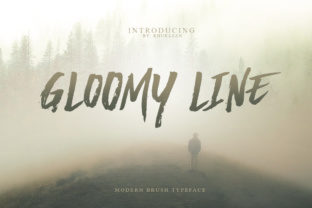
Typography has a quiet way of shaping how we perceive a message. A sleek, polished font whispers professionalism and order. A handwritten script can feel warm and personal. But what about when you need something that refuses to be ignored? Something rough around the edges, unapologetically raw, and built to stand apart from the crowd? That is exactly where Gloomy Line steps in. Created with a marker pen and carrying a distinctly quirky, rough-hewn aesthetic, Gloomy Line is a display font designed for those moments when conventional typefaces just won't cut it.
Whether you are a graphic designer hunting for a voice that feels rebellious, a small business owner trying to cut through social media noise, or a creator who wants every project to feel handcrafted, Gloomy Line offers something genuinely different. It does not try to blend in. It scuffs the edges, leaves the ink uneven, and dares to look a little unfinished. And that, paradoxically, is exactly what makes it so useful.
What Exactly Is Gloomy Line?
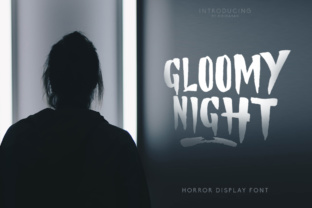
At its core, Gloomy Line is a display typeface that mimics the feel of lettering drawn with a marker pen. But unlike many marker-style fonts that aim for a clean, consistent look, Gloomy Line leans into imperfection. Its strokes are irregular, its weights vary from character to character, and its overall appearance carries an almost distressed quality. This is not a font that was polished until it shone. It was left with its rough edges intact, and that is where its personality lives.
The term "display font" is important here. Gloomy Line is not designed for long blocks of body text. It is not going to replace your go-to for paragraphs, articles, or dense information. Instead, it belongs in headlines, logos, posters, stickers, social media graphics, packaging, and any space where a few words need to make a powerful visual impact. Think of it as the typographic equivalent of a bold statement—short, memorable, and impossible to overlook.
Where the "Gloomy" Meets the "Line"
The name Gloomy Line is fitting. The "gloomy" part hints at the font's slightly dark, moody, or edgy character. It carries an atmosphere that suits alternative music posters, horror-themed merchandise, underground event flyers, or any project that wants to evoke a sense of raw emotion. The "line" refers to the marker-drawn strokes that define each letterform. Together, the name encapsulates both the visual style and the emotional tone of the typeface.
For creators who work in niches like streetwear, indie publishing, gaming, or alternative art, Gloomy Line offers a way to signal authenticity. It says, "This was made by hand, by someone who does not mind a little mess." In an era of sterile, perfectly vectorized everything, that human touch is increasingly valuable.
Key Features and Characteristics
To understand whether Gloomy Line is right for your project, it helps to break down exactly what it brings to the table. Here are the most notable features:
- Marker-pen texture: Each character looks like it was drawn with an actual marker, complete with slight ink pooling, uneven pressure, and natural variation in stroke width.
- Quirky letterforms: The shapes are not standard. Some letters tilt, others stretch, and a few have unexpected flourishes or cuts. This unpredictability gives the font its personality.
- Rough, distressed finish: Edges are jagged rather than smooth. The font does not look digitally perfect, which is precisely the point.
- High contrast and readability at large sizes: While it is not suitable for small text, Gloomy Line remains highly legible when used in headlines, titles, and short phrases.
- Edgy, rebellious tone: The overall feel is dark, alternative, and slightly unconventional. It fits projects that want to break away from mainstream aesthetics.
These characteristics make Gloomy Line a strong choice for anyone who wants their typography to carry emotional weight. It is not neutral. It has a point of view.
What Gloomy Line Is Not
It is just as important to recognize what this font is not good for. Gloomy Line would be a poor choice for a corporate annual report, a legal document, a children's book, or any context where clarity, neutrality, or warmth is the primary goal. The roughness that makes it stand out can also make it feel out of place in more conservative or clean environments. Knowing this distinction helps you avoid using it in situations where it might confuse or alienate your audience.
Real-World Applications and Use Cases
One of the best ways to evaluate a font is to imagine it in action. Here are several realistic scenarios where Gloomy Line shines:
1. Music and Event Posters
Imagine a poster for a metal show, a punk gig, or a dark electronic music night. The band name in bold Gloomy Line lettering immediately sets the tone before anyone reads a single detail. The rough, marker-drawn feel aligns perfectly with the DIY spirit of underground music scenes.
2. Streetwear and Apparel Design
Streetwear brands thrive on attitude. A hoodie or t-shirt with a single word or short phrase printed in Gloomy Line communicates edge without needing a complicated graphic. The font's irregular strokes make each garment feel like a limited edition, even if it is not.
3. Social Media Graphics and Thumbnails
On platforms like Instagram, YouTube, or TikTok, you have less than a second to grab attention. A bold headline in Gloomy Line can stop the scroll. It works especially well for content related to horror storytelling, dark humor, true crime, gaming, or alternative fashion.
4. Product Packaging for Niche Brands
Small-batch candles, indie skincare, handmade soap, or artisanal food products sometimes benefit from a rough, hand-drawn label. Gloomy Line gives packaging an artisanal, non-corporate feel that appeals to buyers looking for something authentic.
5. Logos and Brand Identities
While Gloomy Line is unlikely to suit every brand, it can be a powerful choice for businesses operating in alternative spaces. Tattoo studios, vintage stores, horror-themed escape rooms, or indie record labels can use this font to build a visual identity that feels consistent and memorable.
6. Editorial and Zine Design
Indie magazines, art zines, and underground publications often use raw typography to reinforce their content. Gloomy Line works well for covers, section headers, and pull quotes in publications that value a gritty aesthetic.
Strengths and Considerations
Every typeface comes with trade-offs. Understanding both sides helps you make an informed choice.
Strengths
- Distinctive personality: Gloomy Line is not forgettable. It creates an immediate impression and helps projects stand out in crowded visual spaces.
- Handcrafted feel: In a digital world, the marker-pen texture adds a layer of humanity and imperfection that resonates with audiences tired of sterile design.
- Versatility within its niche: While not universal, the font works across multiple media types, from print to digital to merchandise.
- Strong emotional resonance: The gloomy, edgy tone can evoke feelings of rebellion, nostalgia, mystery, or raw creativity.
Considerations and Limitations
- Not suitable for body text: Gloomy Line is exclusively a display font. Using it for long paragraphs will hurt readability and tire the reader.
- May feel too niche for general audiences: Some viewers might find the rough style off-putting or unprofessional. It is not a universal choice.
- Limited character set in some versions: Depending on the specific font file you acquire, you may need to check support for special characters, accents, or punctuation.
- Requires careful pairing: Because Gloomy Line has such a strong voice, it needs a neutral, clean companion font for body copy or secondary text. Pairing it with another rough font can create visual chaos.
How to Evaluate Whether Gloomy Line Fits Your Project
Before you commit to a typeface, ask yourself a few practical questions. These will help you determine whether Gloomy Line is the right tool for the job.
- What tone am I trying to communicate? If the answer is dark, edgy, rebellious, raw, or alternative, Gloomy Line is a strong candidate. If you need friendly, professional, or clean, keep looking.
- How will the font be used? Is it for a headline, logo, or short phrase? If yes, proceed. If it needs to carry paragraphs, choose something else.
- Who is my audience? Will they appreciate a rough, hand-drawn look, or will they see it as sloppy? Understanding your audience's expectations is crucial.
- What is the medium? Gloomy Line works well in both print and digital, but test it at the actual size it will appear. Sometimes a rough font loses legibility at very small sizes.
- Does it pair well with other fonts? Consider a simple sans-serif or serif for supporting text. The contrast between a clean secondary font and Gloomy Line can be visually striking.
Practical Tips for Using Gloomy Line Effectively
If you decide to go ahead with Gloomy Line, a few practical strategies can help you get the most out of it:
- Use generous spacing: Because the characters are irregular, adding a little extra letter spacing can improve readability without losing the hand-drawn feel.
- Keep it short: One to five words is the sweet spot. Longer phrases can become difficult to read and lose impact.
- Pair with a neutral background: A dark or textured background can amplify the gloomy vibe, but a clean white or light background can also create effective contrast.
- Combine with simple graphics: Let the font do the heavy lifting. Busy backgrounds or overly detailed illustrations can compete with the typeface's personality.
- Test in context: Always mock up your design at full size and in the intended medium. What looks great on screen might read differently on a poster or t-shirt.
Who Benefits Most from Gloomy Line?
The ideal user of Gloomy Line is someone who values personality over polish. This includes:
- Graphic designers and art directors working on projects that need a strong, unconventional voice.
- Small business owners in niche markets like alternative fashion, music, or art who want their branding to feel authentic.
- Content creators and social media managers looking to differentiate their visual content from the polished, corporate look that dominates feeds.
- Indie publishers and zine makers who want their printed materials to reflect a DIY ethos.
- Event organizers promoting club nights, concerts, festivals, or art shows that cater to alternative audiences.
Final Thoughts: Is Gloomy Line Right for You?
Gloomy Line is not a font for every project, and it does not pretend to be. It is a specialized tool, built for specific purposes and a particular emotional register. But when the context is right, it performs beautifully. Its marker-pen origins give it a tactile, human quality that digital perfection cannot replicate. Its quirky, rough approach makes it the perfect companion for something you want to feel edgy and that you want to stand out from the crowd.
The best typography choices come from knowing exactly what you need to say and who you are saying it to. If your message calls for rawness, individuality, and a touch of gloom, Gloomy Line might be exactly the voice you have been looking for.
Before you download or purchase any font, always test it with your actual content. Create a sample headline, place it in your design mockup, and see how it feels. Typography is not just about how letters look. It is about how they make people feel. And Gloomy Line, with all its rough edges and unpolished charm, tends to leave an impression that lasts.