Gloomy Night: The Edgy Display Font That Refuses to Be Ignored
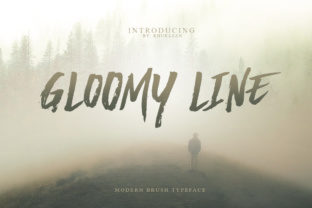
In a world saturated with polished, predictable typography, there is a growing hunger for something real. Something that feels human, imperfect, and unapologetically bold. Gloomy Night answers that call. Created with a marker pen, this display font carries a raw, rough aesthetic that immediately sets it apart from the clean vectors and sterile sans-serifs that dominate most brand guidelines. It is not a font that whispers. It is a font that speaks with grit, personality, and a deliberate lack of polish that makes it feel authentic and alive.
For professionals, creators, and business owners alike, understanding when and how to use a typeface like Gloomy Night can transform a project from ordinary to unforgettable. This article explores what makes this quirky, hand-drawn font relevant today, how it fits into broader shifts in design culture, and how you can use it to create work that genuinely stands out.
What Makes Gloomy Night Different?
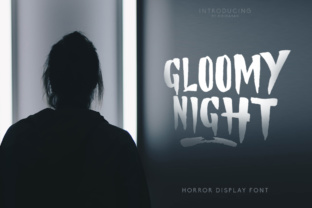
At its core, Gloomy Night is a display font built from the marks of a marker pen. This means every letter carries the irregular pressure, slight wobbles, and textured strokes that come from a physical writing tool. Unlike fonts designed to hide their origins, Gloomy Night celebrates the quirks of the hand. The result is a typeface that feels both chaotic and intentional, rough yet readable at display sizes.
Its quirky style is not a flaw but a feature. In a design landscape where many fonts aim for neutrality, Gloomy Night leans into personality. It evokes the energy of a notebook sketch, a graffiti tag, or a hastily written note that carries more emotion than a perfectly type set sentence. This is the kind of font that works best when you need to signal authenticity, rebellion, or raw creativity.
For marketers and content creators, this opens up a unique opportunity. When everyone else is using the same clean, corporate typefaces, choosing Gloomy Night for a headline, poster, or social graphic instantly signals that your message is not business as usual. It dares the viewer to stop scrolling and pay attention.
Why the Rough Aesthetic Is Gaining Traction
The rise of the rough, hand-drawn style in typography did not happen in a vacuum. Over the past decade, there has been a noticeable shift away from hyper-polished design toward something more human. The glossy, airbrushed look of the early 2000s has given way to raw textures, visible brush strokes, and imperfect lettering. People are tired of the artificial. They crave authenticity, even in the small details.
This is especially true for brands and creators targeting adults aged twenty to fifty. This audience has seen decades of advertising, polished social feeds, and corporate messaging. They have developed a sophisticated sense for what feels manufactured and what feels genuine. Using a font like Gloomy Night taps into that desire for something that looks like it was made by a person, not a machine.
Current trends in packaging, album art, apparel design, and even web headers reflect this shift. A rough, marker-drawn font fits perfectly with streetwear culture, indie music branding, small-batch product labels, and any project that wants to feel underground or handcrafted. The rough approach of Gloomy Night makes it the perfect companion for something you would like to be edgy and that would stand out from the crowd.
The Evolution of Display Fonts and the Need for Edgy Options
Display fonts have always been the playground for experimentation. While body text needs to be legible and unobtrusive, display typefaces are allowed to be bold, playful, and even a little strange. In the past, many display fonts were still relatively clean, with decorative flourishes that followed strict rules. But the rise of hand-lettering, brush scripts, and rough textures has changed expectations.
Today, a display font does not need to be beautiful in a classical sense. It needs to be memorable. It needs to convey a mood. Gloomy Night fits perfectly into this evolution. Its marker-pen origin gives it an immediacy that feels spontaneous. It does not look like it was carefully adjusted in a vector program. It looks like someone drew it quickly, with purpose. That energy is exactly what many designers and business owners are now seeking to capture.
For freelancers and entrepreneurs, this means you can use a font like Gloomy Night to create a visual identity that feels distinct without requiring a custom lettering artist. It gives you access to an expressive, hand-made look out of the box, which is both practical and cost-effective.
Practical Applications Across Different Fields
Understanding the aesthetic value of Gloomy Night is one thing. Knowing how to use it effectively is another. Here are several practical ways this font can be applied across different industries and projects.
Branding and Identity
If you are building a brand around street art, underground music, alternative fashion, or a creative agency that wants to reject stuffy corporate norms, Gloomy Night can be a core element of your visual identity. It works well for logos, taglines, and hero text. The rough texture gives the brand an instant edge. However, it is best used sparingly. Pair it with a clean, neutral font for body text to avoid overwhelming the viewer.
Social Media and Digital Content
Attention spans on social media are short. Using Gloomy Night for headlines on Instagram posts, YouTube thumbnails, or TikTok overlays can stop the scroll. Its quirky, hand-drawn look feels native to platforms that celebrate authenticity and raw creativity. Marketers can use it to promote limited drops, event announcements, or content that aims to be provocative and engaging.
Posters, Flyers, and Print Collateral
Physical media is experiencing a resurgence, especially among younger adults who appreciate the tactile and the temporary. Gig posters, zines, stickers, and limited-run prints all benefit from a font that feels analog. Gloomy Night looks like it was drawn on paper, which makes it a natural fit for projects that are meant to be printed and distributed in small batches.
Product and Packaging Design
Small-batch food products, craft beverages, and artisanal goods often use hand-drawn typography to signal quality and care. A font like Gloomy Night can give a product label a handmade feel without the expense of commissioning custom lettering. It suits brands that want to appear rebellious, small-scale, or deliberately rough around the edges.
How to Use Gloomy Night Without Overdoing It
Because Gloomy Night carries so much personality, restraint is key. Here are some recommendations for using it effectively.
- Use it for emphasis, not for body text. The rough, marker-drawn strokes can become tiring to read in large blocks. Reserve it for headlines, short phrases, or key visual elements.
- Pair it with a simple font. Let Gloomy Night take center stage by surrounding it with clean, minimal typography. A basic sans-serif or a straightforward serif will create a strong contrast that highlights the font's edge.
- Consider the medium. The rawness of Gloomy Night works beautifully on textured paper, dark backgrounds, or rough surfaces. In digital contexts, try using it with layered textures or subtle noise to enhance the hand-drawn feel.
- Stay true to the mood. If your message is playful, dark, sarcastic, or rebellious, Gloomy Night will amplify that tone. If your content is overly polished or corporate, the font may feel out of place. Use it where the energy matches.
Why This Font Matters for Creators and Entrepreneurs
For anyone trying to build a presence in a crowded market, differentiation is everything. Gloomy Night offers a way to visually differentiate without needing a big budget or a design team. It gives small business owners, freelancers, and independent creators access to a bold, expressive style that larger brands often struggle to replicate because they are too constrained by their own guidelines.
The font also reflects a broader cultural shift toward valuing imperfection. In photography, there is a trend toward film grain and unpolished shots. In writing, conversational and raw voices are winning over formal prose. Typography is no different. The rough, honest look of Gloomy Night aligns with a time when audiences value realness over perfection.
Changing User Expectations
Consumers today are more visually literate than ever. They have seen thousands of logos, ads, and websites. They can tell when a design is generic. Using a font with genuine character signals that you care about the details. It suggests that you are willing to take risks and avoid the safe path. For businesses targeting adults who value creativity and individuality, this is a powerful message.
Educators and bloggers can also benefit. A course thumbnail, a podcast cover, or a newsletter header using Gloomy Night instantly communicates that the content inside is not going to be dry or academic. It sets expectations for something energetic, unconventional, and worth the time.
Grounded Observations and Practical Advice
It is important to be realistic about what a font can do. Gloomy Night is not a solution for every project. If your brand relies on trust, calm, and clarity, a rough marker font might work against you. But if you are creating something meant to provoke, energize, or challenge, this font is an excellent tool.
The best results come from using it intentionally. Think about the context. A music festival poster, a skateboard brand logo, or a limited-edition apparel graphic are natural homes for Gloomy Night. A law firm website or a healthcare brochure, less so. Know your audience and your message.
For designers, consider combining Gloomy Night with subtle effects like slight rotation, uneven spacing, or manual kerning adjustments to enhance the hand-made look. Since the font already carries imperfections, you can lean into that by treating it further like a physical mark.
Looking Ahead: The Role of Rough Typography in Modern Design
As digital tools make it easier to produce flawless work, the demand for flaws will continue to grow. People want proof that a human being was involved. They want texture, personality, and idiosyncrasy. Gloomy Night represents this larger movement in typography, where the artist's hand is visible and celebrated.
For hobbyists exploring design, using a font like Gloomy Night can also be a learning experience. It teaches you about contrast, mood, and the power of imperfection. It encourages you to think about typography not just as a functional tool but as a form of expression.
Freelancers and entrepreneurs who adopt this style early may find that it helps them carve out a recognizable niche. In a market where everyone has access to the same tools, choosing a distinctive typeface is a simple but effective way to look different from the start.
Final Thoughts on Gloomy Night
Gloomy Night is more than a font. It is a statement. Its marker-pen origins and quirky roughness give it a voice that is immediate, honest, and hard to ignore. For anyone looking to create work that feels edgy, personal, and distinct from the polished mainstream, this typeface offers a straightforward path.
Whether you are designing a brand, promoting an event, or building a creative identity, consider what Gloomy Night can bring to your project. Use it where you want to be remembered. Use it where you want to break the rules. And above all, use it with confidence, because a font this bold does not ask for permission. It demands attention.